
How to Make Frozen Semen for Different Livestock Breeds: Full Breed‑Specific Cryopreservation Guides

Frozen semen artificial insemination is the cornerstone of modern livestock genetic improvement. Cattle, horses, sheep, and goats of various breeds show obvious physiological differences in sperm membrane toughness, semen volume, sperm concentration, and cold resistance. Using one‑size‑fits‑all freezing protocols often leads to low post‑thaw motility, high sperm abnormality rates, and poor conception rates, wasting high‑value genetics of elite breeding males.
Whether you run a large commercial semen bank, a farm‑scale breeding laboratory, or an AI service provider, you need cryopreservation parameters tailored to each breed. This resource collects step‑by‑step guides for major global livestock breeds, covering cattle, horses, sheep and goats. You can also find matched liquid nitrogen storage solutions for long‑term preservation of genetic resources.
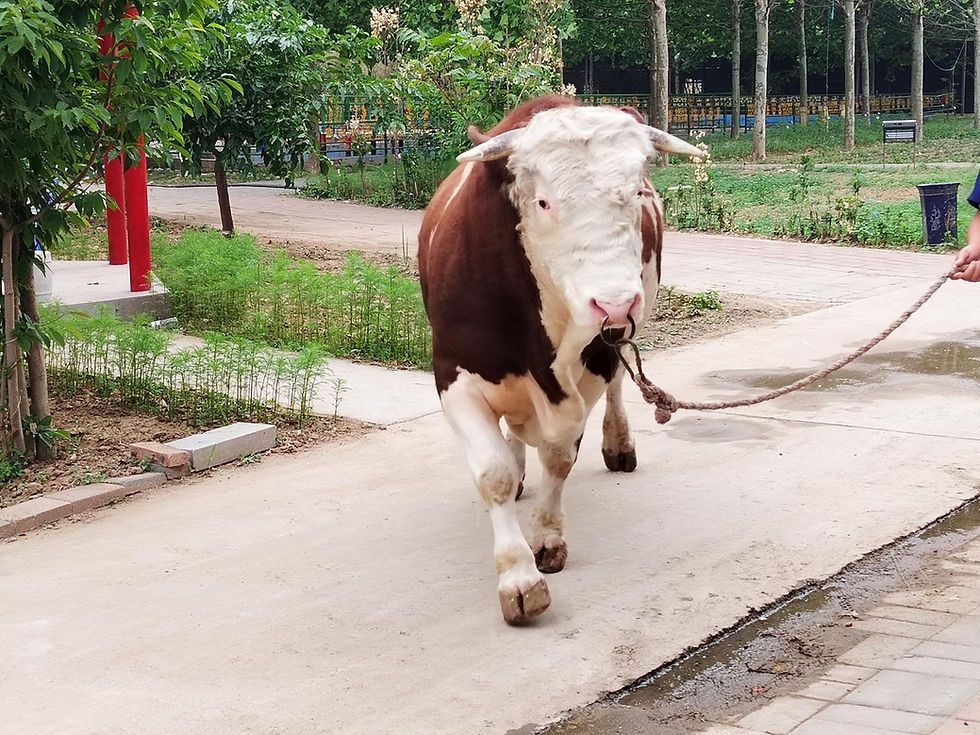
Why breed‑specific protocols matter when you learn how to make frozen semen for different livestock breeds
Sperm from different breeds respond differently to dilution, cooling balance, cryoprotectant concentration, and freezing speed.
Dairy bull semen usually has high concentration and moderate semen volume;
Some beef breeds such as Wagyu feature fragile sperm plasma membrane and are sensitive to glycerol;
Zebu‑type cattle produce heat‑resistant sperm yet require shorter equilibrium time;
Stallions produce large seminal plasma volume which must be removed by centrifugation;
Rams have small‑volume, high‑density semen with special tolerance to cryoprotectants.
Copying a universal freezing procedure for all breeds will cause irreversible sperm damage. Fine‑tuning extender formula, glycerol percentage, equilibrium duration, and programmable freezing curve according to breed characteristics is critical to guarantee post‑thaw quality.
Available breed‑focused guides on our website regarding how to make frozen semen for different livestock breeds
Cattle Breeds Frozen Semen Guides
‑ Holstein Bull Frozen Semen Production
‑ Charolais Bull Frozen Semen Production
‑ Wagyu Bull Frozen Semen Production
‑ Brahman Zebu Bull Frozen Semen Production
‑ Limousin, Hereford, Simmental, Jersey bull cryopreservation manuals
Horse Stallion Cryopreservation Tutorials
‑ Thoroughbred Stallion Frozen Semen Protocol
‑ Arabian Horse Stallion Semen Freezing
‑ Quarter Horse, Warmblood, Pony semen production guides
Sheep & Goat Ram Semen Making
‑ Dorper Ram Frozen Semen Production
‑ Suffolk, Merino, Boer Goat, East Friesian Dairy Goat cryopreservation steps
Core general workflow reference when you learn how to make frozen semen for different livestock breeds
Although breed‑level adjustments are essential, the whole production chain shares standard major stages:
Semen collection
Adopt a suitable collection method (artificial vagina is preferred for large livestock). Strictly control the temperature of the artificial vagina to avoid thermal shock to sperm. Deliver samples immediately to a heated‑stage laboratory microscope for assessment.
Fresh semen quality evaluation
Detect motility, concentration, morphology, and abnormal rate. Only qualified ejaculates can move forward to downstream processing.
First dilution
Add pre‑warmed primary extender to stabilize sperm plasma membrane.
Centrifugation
Spin sample at target rpm and duration to separate sperm pellet from seminal plasma. Discard supernatant.
Second dilution with cryoprotectant extender
Add glycerol‑containing freezing extender, dosage adjusted per breed.
Equilibrium process
Cool samples down to 4 °C and hold for breed‑specific equilibrium time, letting cryoprotectant penetrate sperm cells fully.
Filling, sealing and labelling semen straws
An automated filling‑sealing machine is recommended; print breed ID, sire ID, collection date, and batch barcode on each straw for full traceability.
Programmable freezing
Run breed‑adapted cooling curve inside programmable cooler until target cryogenic temperature is reached.
Long‑term storage inside liquid nitrogen biological container
Transfer frozen straws into LN2 dewar, store in liquid‑phase or vapor‑phase environment according to your management requirement. Monitor liquid nitrogen level regularly.
Select matched liquid nitrogen dewars for your semen bank, the key and last step in how to make frozen semen for different livestock breeds
‑ Small‑scale farm lab: 10L‑20L portable liquid nitrogen biological container for daily work
‑ Medium breeding station: 30‑50L static storage dewar for regular semen inventory
‑ Large‑scale commercial semen center: 100L+ high‑capacity cryo‑bank tank, supports automatic LN2 refilling connection
Heyi Labs supplies a full range of liquid nitrogen biological containers for livestock genetic preservation, with low evaporation rate and reliable vacuum performance.
Common mistakes across multi‑breed semen freezing
Applying identical glycerol concentration for all breeds: fragile‑sperm breeds need reduced glycerol dosage.
Ignoring breed‑specific equilibrium time: too long or too short equilibrium damages post‑thaw motility.
Overloading liquid nitrogen tank without level monitoring: risk of sample warming accident.
Missing traceable labelling: mixing genetic batches causes huge economic loss.
If you want to get breed‑specific parameter sheets or consult suitable liquid nitrogen storage equipment for your semen bank, please contact our technical team for a free one‑on‑one recommendation.
Official Website: www.heyilabs.com


Comments